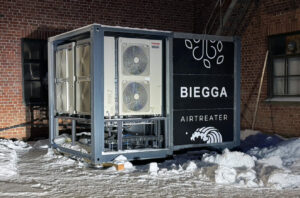
AirTreater Čáhci is used in large buildings to deliver guaranteed heating and cooling through a liquid-cycle distribution system, connecting to existing hydronic infrastructure or a new heat distribution network. It is engineered specifically for large-scale commercial, industrial, and institutional sites where stable, high-capacity climate control is non-negotiable. The sections below address the most common questions about how Čáhci performs in these environments.
What types of large buildings benefit most from Čáhci?
AirTreater Čáhci delivers the greatest operational value in large buildings that already use, or can install, a hydronic heat distribution network, including production halls, warehouses, logistics facilities, construction site compounds, and industrial process buildings. Any large-volume space requiring stable, high-capacity heating or cooling through liquid-cycle distribution is a strong candidate.
The key characteristic that makes a building suitable for Čáhci is the presence of a water-based distribution system, or the practicality of installing one. Radiators, underfloor heating circuits, and fan-coil units all integrate directly with Čáhci’s outlet water circuit. This makes the system equally relevant for permanent industrial facilities and for large temporary sites where a heat distribution loop can be laid quickly.
Buildings in cold climates benefit most directly from the performance guarantee that defines Čáhci. Conventional air-to-water heat pumps derate significantly as outdoor temperatures fall. Čáhci maintains 120 kW of nominal heating capacity at -15 °C using compressors alone, with a maximum capacity of 420 kW at that same temperature. The heat pump operates down to -28 °C, and below -28 °C the backup system guarantees at least 300 kW even without external electric power in hazardous situations. For facility managers operating in northern European conditions, that distinction between a rated capacity and a guaranteed one is operationally significant.
How does Čáhci deliver heating and cooling in large spaces?
AirTreater Čáhci operates as an air-to-water heat pump, extracting thermal energy from outdoor air and transferring it into a liquid circuit that distributes heating or cooling throughout the building. The liquid-cycle approach means heat is moved through water rather than air, enabling even temperature distribution across large floor areas without the performance losses associated with long air duct runs.
In heating mode, Čáhci raises the outlet water temperature to levels compatible with high-temperature hydronic systems, enabling direct integration with existing radiator networks and underfloor heating circuits without supplementary heating equipment. In cooling mode, the refrigeration cycle reverses, extracting heat from the building’s water circuit and rejecting it to the outdoor air.
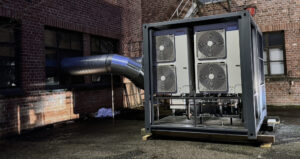
The containerised format means the refrigeration and heat exchange equipment is housed in a self-contained unit positioned outside or adjacent to the building. The liquid circuit connects the container to the building’s internal distribution network, keeping mechanical complexity outside the occupied space and simplifying maintenance access.
What is the maximum heating capacity of Čáhci?
AirTreater Čáhci delivers a maximum heating capacity of 420 kW, maintained at outdoor temperatures down to -15 °C. The system’s nominal compressor-only capacity at -15 °C is 120 kW, with the integrated backup system extending total output to at least 300 kW at that threshold. The 420 kW maximum figure is available across the operating range when all system components are engaged.
This capacity profile is designed around a specific engineering principle: the system must deliver at least its nominal capacity at every outdoor temperature, not only under optimal conditions. The heat pump operates down to -28 °C, and below -28 °C the integrated backup system guarantees at least 300 kW even without external electric power in hazardous situations, ensuring that a drop in outdoor temperature does not translate into a drop in building temperature.
For sites with an existing geothermal borehole field, Čáhci can be configured with a ground-source heat pump to supplement or replace the air-source circuit, further stabilising output in extreme cold. Where sufficient electrical supply is available, an electric boiler can serve as the backup system in place of the standard integrated configuration. Both options preserve the core performance guarantee.
Can Čáhci be used for cooling as well as heating?
Yes. AirTreater Čáhci operates in both heating and cooling modes, making it a year-round climate control solution for large buildings. In cooling mode, the system functions as a liquid-cooled chiller, extracting heat from the building’s water circuit and rejecting it to outdoor air through the same containerised heat exchange equipment used for heating.
This dual-mode capability is particularly valuable for large industrial and commercial buildings that require heating through the winter months and process or comfort cooling through the summer. A single Čáhci installation covers both requirements without the capital cost or plant room space of separate heating and cooling systems.
The liquid-cycle architecture is well suited to cooling applications in large spaces because chilled water distribution maintains consistent temperatures across the entire distribution network, avoiding the uneven cooling that can occur with air-based systems in high-ceiling or open-plan environments. Čáhci connects directly to existing chilled water circuits where these are present, or to a new distribution loop commissioned alongside the system.
How is Čáhci installed and commissioned on a large site?
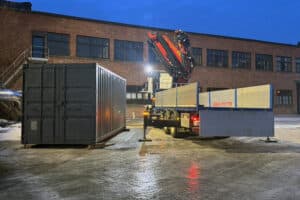
AirTreater Čáhci arrives on site in a standard container, pre-configured and ready to connect. The container connects to the building’s liquid distribution network in a single working day, including electrical connection. Where no heat distribution infrastructure requires installation, the system is fully operational within 4 hours of arriving on site.
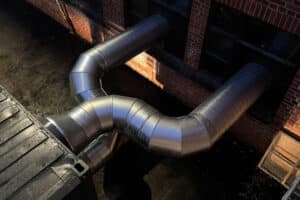
The installation process involves positioning the container at the designated plant location, making the liquid circuit connections between the container and the building’s distribution network, and commissioning the control system. AirTreater systems integrate with existing building automation platforms, and an automated remote management platform provides real-time operational visibility and full settings control through a standard web browser from the point of commissioning. Named end users can also have access to the automation system.
For sites where a heat distribution network does not yet exist, the installation timeline extends to accommodate the distribution loop, but the Čáhci unit itself does not require permanent civil works or a dedicated plant room. This containerised approach also means the system can be relocated when project requirements change, without decommissioning costs or loss of the capital asset.
How does Čáhci compare to conventional large-building heating systems?
The primary distinction between AirTreater Čáhci and conventional large-building heat pump or boiler systems is the performance guarantee. Conventional heat pumps are rated at nominal conditions, typically around +7 °C outdoor temperature, and their output decreases as temperatures fall. Čáhci guarantees nominal capacity at all outdoor temperatures, including even at very low temperatures, which eliminates the performance gap that conventional systems create in cold-weather operation.
Conventional gas or district heating boilers deliver consistent output regardless of outdoor temperature, but they carry fuel supply dependencies, carbon costs, and fixed infrastructure requirements that Čáhci does not. Čáhci operates on electricity, integrates with renewable energy supply, and produces near-zero direct emissions at the point of use.
The containerised format represents a further structural difference. Permanent boiler plant and fixed heat pump installations require dedicated plant rooms, civil works, and long lead times for procurement and installation. Čáhci can complete electrical connection and commissioning in a single working day and can be redeployed when site requirements change. For large-scale temporary installations, construction projects, or industrial sites where flexibility is operationally important, this distinction translates directly into project cost and schedule advantages.
For procurement teams evaluating large-building heating and cooling infrastructure in 2026, the combination of guaranteed cold-weather performance, dual-mode heating and cooling capability, and containerised deployment speed positions AirTreater Čáhci as a technically substantive alternative to both conventional heat pumps and fixed boiler plant. Contact the AirTreater technical team to discuss your site’s specific capacity requirements and distribution configuration.